
Digital Rhythm Stripping: Saying Goodbye to Paper and Calipers
Fed up with manual cutting and scanning? Discover how digital tools are saving clinicians 30 minutes per shift.
Why are we still using manual calipers and piles of ECG paper in a modern hospital? It’s time for a digital revolution.
The Burden of Paper-Based Monitoring
For decades, cardiac monitoring has involved a tedious, manual process. Clinicians are all too familiar with the routine: dealing with piles of ECG paper, manual cutting, scanning, hand measuring, and reprinting documents. This traditional workflow isn’t just frustrating; it drains valuable time that could be spent on patient care.
At BIOX, we asked a simple question: Are you fed up with calipers and calculators?. The answer from the medical community was a resounding yes.
Enter Fully Digital Rhythm Stripping
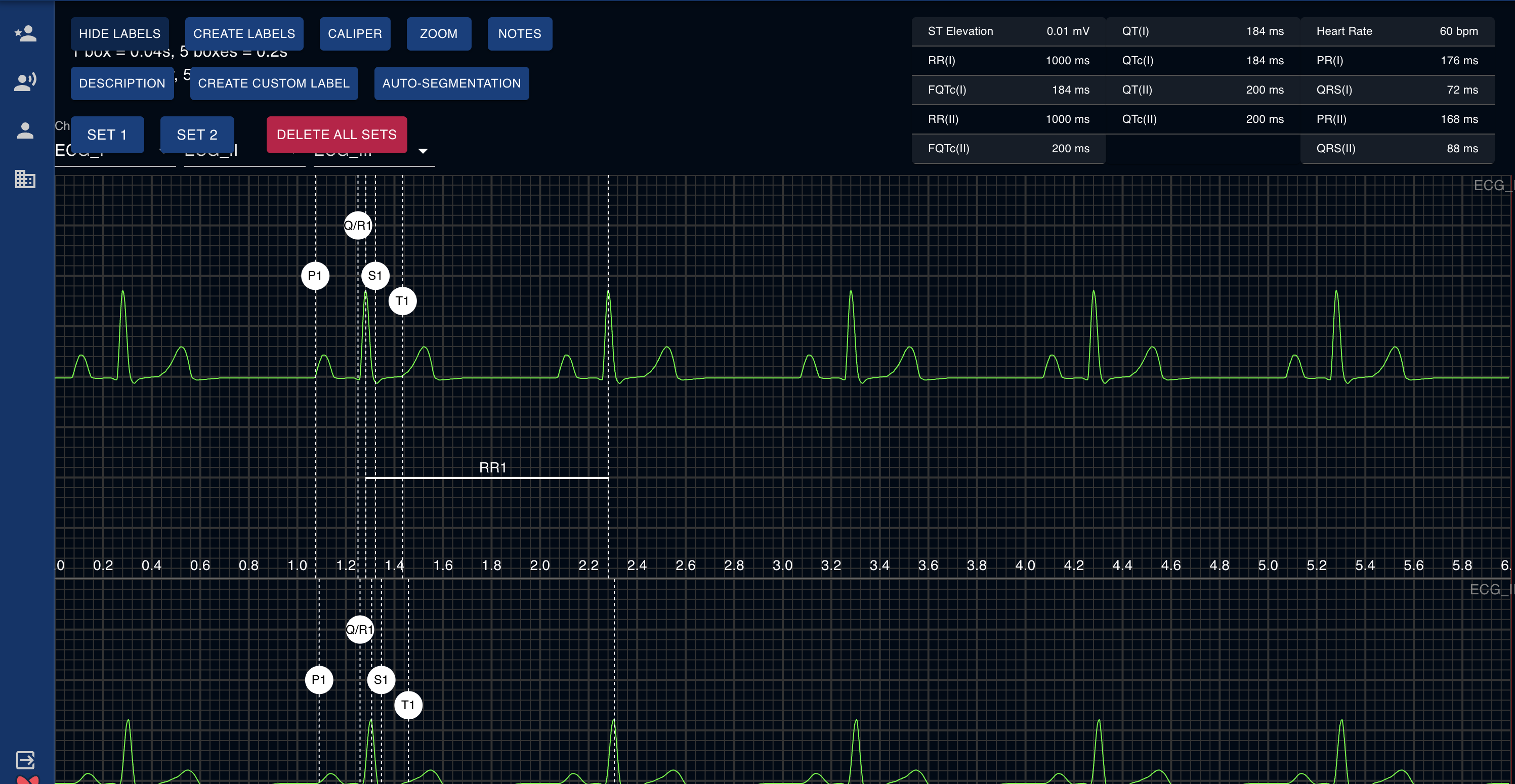
BIOX Smart Hospital has introduced a fully digital rhythm strip solution designed to modernize this outdated workflow. Instead of a static snippet in time, clinicians now have access to full ECG history.
Key capabilities of our digital solution include:
- Versatile Views: 12-lead 2-second view, 3-lead 6-second view, and dynamic 2-lead 3-minute strips.
- Precision Tools: Digital calipers allow for precise measurements directly on the screen.
- Smart Labeling: Segment labeling comes with auto-labeling and interval calculations, alongside rhythm and event labeling.
- Context: The system automatically displays vitals recorded during strip time periods, providing crucial clinical context.
Operational Efficiency: The Numbers
Moving to a digital system isn’t just about convenience; it’s about measurable operational efficiency. By eliminating the need to move, sort, and keep paper records, hospitals see immediate results:
- Time Savings: The average strip labeling and measuring time is decreased by 3 minutes per strip.
- Shift Optimization: Nurses and technicians save an average of 30 minutes per shift by not having to sort and deliver physical documents.
- Cost Reduction: Hospitals save an average of $1,100 annually per bed in supply costs.
Seamless Integration
One of the biggest hurdles to adoption is integration. The BIOX solution offers seamless EMR integration, automating work order management and review. This means fewer strips are returned after review, and quick strip sharing via link allows for faster consultations.
By transitioning to digital rhythm stripping, hospitals can improve resource allocation and let clinicians focus on what matters most—saving lives.